💋 CONFIDENCE IS ON DECK FOR JULY 💋 GET THE SCOOP →

INFERTILITY
Infertility is a common condition affecting approximately 12% of couples at some point in their reproductive lives. A healthy fertile couple generally has about a 20 percent chance of conceiving during any one month, and up to 90% chance of conceiving within a year of unprotected intercourse.
Infertility is defined as the inability to conceive after 12 months of unprotected intercourse. As we age our risk of infertility increases; therefore, women over the age of 35 may be evaluated and treated for infertility after 6 months of unprotected intercourse.
Infertility may occur if you have never had a pregnancy (primary infertility), or if you have had children (secondary infertility). Both forms of infertility require individualized evaluation and treatment, which we will be happy to assist you with. Some of the evaluation and treatment options you may need include:
EVALUATION OPTIONS
1. Evaluation of ovulation.
Physical exam.
Physical exam is performed in office at initiation of treatment to ensure there are no physical limitations of conceiving. If there any concerns, these will be discussed with you.
Body changes, due to hormones and ovulation.
Cervical mucus changes and temperature changes are important signs of ovulation to monitor for.
Cycle evaluation
Monitoring your menstrual cycle can show optimal days to attempt conception and help point out possible concerns of conceiving.
Menstrual diary (aid to monitoring both menstrual changes and cervical mucus changes)
LH surge
Using an ovulation predictor can help with timing of intercourse or insemination. The LH kit changes color (usually blue) just prior to ovulation, usually 24 to 36 hours before (clear blue and easy is an example of an ovulation kit).
Blood laboratory testing
Can help evaluate ovarian and endocrine function and/or problems.
Ultrasound evaluation of ovulation
Can be used to monitor healthy follicle development and timing of treatments.
2. Evaluation of male effect on infertility.
(Occurs in one half of couples)
Semen analysis. If instructed to do so please follow these instruction.
Obtain a sterile specimen cup from our office or the lab, and call the main TriCities Lab on Grandridge in Kennewick to schedule a time to drop off specimen. 7131 Grandridge Blvd (509) 736-0100
Provide a sample by ejaculating into the cup. Don’t use a condom for collection since some of the lubricants or condoms contain spermicidal in them and may effect the results.
Keep close to body temperature by keeping close to your body.
Present specimen to lab within an hour of producing.
3. Evaluation of female physical means of infertility.
Physical exam
Hysterosalpingogram (HSG) A (HSG) is a special kind of x-ray. An HSG is an outpatient procedure, which takes no longer than a half hour. It involves placing an iodine-based dye through the cervix and taking x-rays to help evaluate the shape of the uterus and whether or not the fallopian tubes are open or blocked. If necessary we will give you an order to have completed at the radiology center. You will need to call and schedule the procedure and afterwards we will review to determine if any further testing/treatment should be done.
Laparoscopy. Due to your history and physical exam, a laparoscopy may be necessary to evaluate and treat concerns affecting your ability to become pregnant. If necessary follow the instructions under Laparoscopy in our Hospital Surgeries of our Procedures section of our web site.
Ultrasound.
TREATMENT OPTIONS
1. Timing and frequency of intercourse
a. Optimal timing of intercourse is the 2 days prior to ovulation and the 2 days following.
b. Frequency of intercourse increases your chances of becoming pregnant. The week of ovulation, it is optimal to have intercourse 4 times. 3 times is ok and 2 or fewer times during that week make it difficult to conceive. It is of no benefit to abstain before trying or to have a break between attempts.
2. Ovulation monitoring and induction.
a. If we cannot clearly determine if you are ovulating from home testing we may proceed with evaluation in office, by lab testing, physical exam and ultrasound.
b. Ovulation may need to be augmented with cycling and stimulation of ovulation. Medications used include
i. Clomid ii. Femara iii. Glucophage
3. Intrauterine insemination (IUI).
4. Fertility center treatments. If your care requires more intense monitoring and treatment we may refer you to a Fertility center. These include.
a. IVF/endocrine centers
b. Napro fertility centers
FERTILITY AIDS
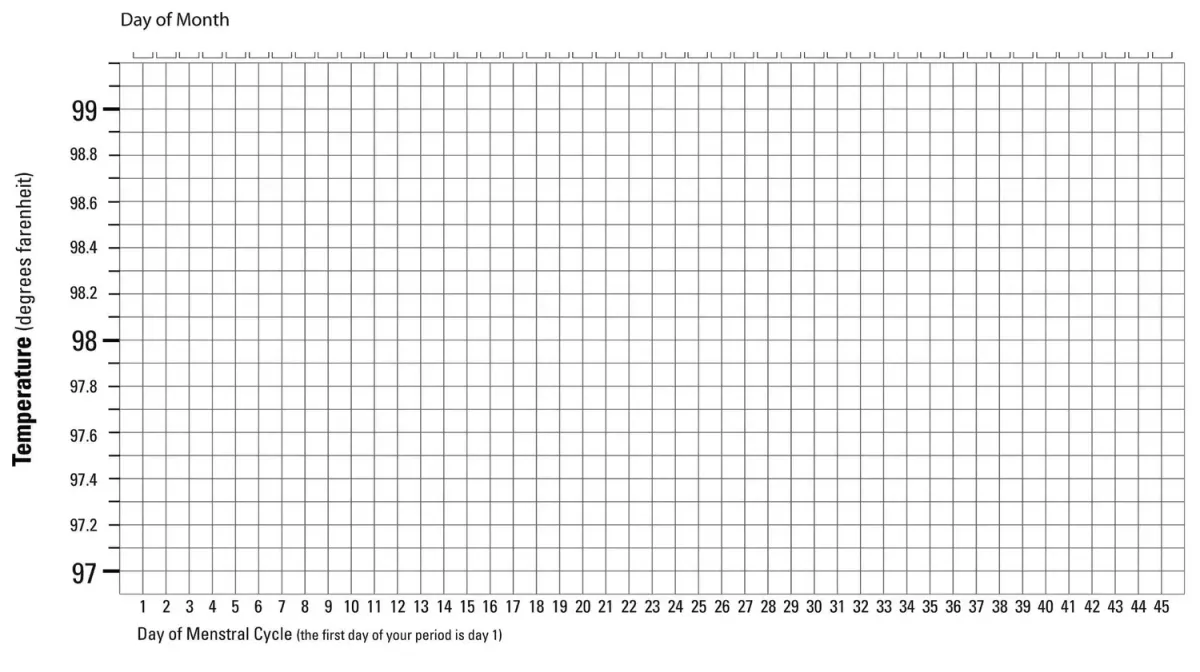
a. Basal Body Temperature Chart
b. Ovulation calculator - http://www.marchofdimes.com/pregnancy/ovulation-calendar.aspx?gclid=CNGFrpuOmL0CFYdFMgodEw8AZg#
c. IUI
d. Clomid/Femara. These medications are oral medications that help increase the likelihood of ovulating. If you are prescribed these medications we will have you take them once a day for days 3-7 or 5-9 after the first day of your menses. After taking these medications we will monitor your ovulation and determine your optimal time of attempts of conception. Concerns with clomid use are increased risk of multiples, such as twins and triplets and increased risk of ovarian cancer with prolonged use of. These medications may give you menopausal symptoms, such as hot flushes, vaginal dryness and mood changes.
BASAL BODY TEMPERATURE CHART
IUI (Intrauterine Insemination)
Intrauterine insemination (IUI) is a common treatment for infertility. It can be used in cases where the male has a low sperm count, the cause of infertility is unknown, or when the woman is not ovulating regularly. It may be used with or without medications that help the woman ovulate.
Timing of the insemination to coincide with ovulation is critical. In order to ensure this occurs, timing of ovulation is monitored by urinary hormone tracking methods or sonogram. Urinary LH ovulation predictor kits indicate that ovulation will occur within a 24 to 36 hour window. The urinary tracking method is performed at home, generally in the morning. When the test is “positive”, call us immediately, so we can schedule your insemination, since it should be done within 24-36 hours of a positive test.
Another method used to time ovulation is sonography. The development of the follicle and impending release of the egg can be timed by serial ultrasounds performed in the office. We may give you an injection of HCG to further assist in the release of the egg.
Once we schedule your Intrauterine insemination, please follow the steps below.
INSEMINATION STEPS
Pick up sterile cup from the office
Collect semen into sterile cup by masturbation
Bring specimen to office in sterile cup. Be sure to bring in within an hour of producing and keep close to body temperature by keeping close to body.
Specimen is left at office. Be sure to sign the consents allowing us to use your sperm for the insemination.
Sperm is prepped in special media. This clears out abnormal sperm and allows the sperm to penetrate the egg. This procedure takes about an hour.
Woman signs consent for insemination.
The “washed” specimen is placed with a special catheter into the woman’s uterine cavity in order to improve the number of sperm available to reach the egg by bypassing the vagina and cervix.
Since IUI relies on the natural ability of sperm to fertilize an egg within the reproductive tract, the sperm function of the male must be reasonable and the fallopian tube(s) must be healthy and functional.
After the insemination, the woman lies for about 20 minutes and then may return to her normal function.
You should begin a prenatal vitamin with at least 800mcg of folic acid before you begin fertility treatment.
If you do not have a period following insemination and have a positive pregnancy test call to schedule your prenatal care. If you have a period following insemination, call and we will discuss your further treatment options. (509) 572-2130
How IUI Works
SCHEDULE A CONSULTATION

Specialized Skin Care
Aesthetics & Medical Spa
At Columbia Shores Regenerative Health, Tri-Cities, Washington Premier MedSpa our team provides the highest quality cosmetic and aesthetic injectable treatments. Serving the Tri Cities area, we are focused on helping clients achieve their healthiest skin, body & more with our advanced treatment & care.


© 2019- 2026 • ALL RIGHTS RESERVED • COLUMBIA SHORES REGENERATIVE HEALTH • TERMS & CONDITIONS • PRIVACY POLICY