💋 CONFIDENCE IS ON DECK FOR JULY 💋 GET THE SCOOP →

WOMEN’S HEALTH & GYNECOLOGY
At Columbia Shores Regenerative Health, we understand that many women in Tri-Cities, including Richland, Kennewick, Pasco, and West Richland, struggle with access to gynecological care, routine checkups, and screenings. Regular visits to a gynecologist are crucial for maintaining long-term health and wellness. Not only can a gynecologist address health concerns when they arise, but they also play a critical role in preventing issues, improving sexual health, and enhancing overall well-being.
Our Gynecology Services
At Columbia Shores Regenerative Health, we offer a full spectrum of services designed to support the health of women in Richland, Kennewick, Pasco, West Richland, and the greater Tri-Cities area, including:
Routine Annual Checkups
Pap smears, pelvic exams, breast exams, and HPV screenings.
Menstrual Health
Treatment for irregular periods, PMS, and other menstruation-related issues.
Sexual Health
Addressing concerns such as decreased desire, lack of orgasm, or sexual dissatisfaction.
Pelvic Pain & Incontinence
Solutions for pelvic pain, urinary incontinence, and bladder issues.
Family Planning & Birth Control
Options for birth control and personalized family planning.
Hormonal Therapies
Bioidentical estrogen, testosterone, and progesterone therapies for hormonal balance.
Menopause Management
Treatments to alleviate menopause symptoms and enhance quality of life.
Cosmetic Gynecology
Services like labiaplasty, vaginal rejuvenation, and vaginoplasty.
Infertility Treatments
Helping women struggling with infertility or difficulty getting pregnant.
Premier Women’s Health and Wellness in Tri-Cities, Washington (Richland, Kennewick, Pasco, West Richland)
At Columbia Shores Regenerative Health, we understand that many women in Tri-Cities, including Richland, Kennewick, Pasco, and West Richland, struggle with access to gynecological care, routine checkups, and screenings. Regular visits to a gynecologist are crucial for maintaining long-term health and wellness. Not only can a gynecologist address health concerns when they arise, but they also play a critical role in preventing issues, improving sexual health, and enhancing overall well-being.
Why Women's Health Matters in Tri-Cities (Richland, Kennewick, Pasco, and West Richland)
Women's health concerns are diverse and affect women at all stages of life. From routine cervical cancer screenings and sexual wellness to complex hormonal imbalances, untreated gynecological issues can cause significant health complications. That’s why it’s essential to have a trusted gynecologist who can provide comprehensive care, including preventative screenings and personalized treatment plans.
At Columbia Shores Regenerative Health, we offer a full spectrum of services designed to support the health of women in Richland, Kennewick, Pasco, West Richland, and the greater Tri-Cities area, including:
Routine Annual Checkups: Pap smears, pelvic exams, breast exams, and HPV screenings.
Menstrual Health: Treatment for irregular periods, PMS, and other menstruation-related issues.
Sexual Health: Addressing concerns such as decreased desire, lack of orgasm, or sexual dissatisfaction.
Pelvic Pain & Incontinence: Solutions for pelvic pain, urinary incontinence, and bladder issues.
Family Planning & Birth Control: Options for birth control and personalized family planning.
Hormonal Therapies: Bioidentical estrogen, testosterone, and progesterone therapies for hormonal balance.
Menopause Management: Treatments to alleviate menopause symptoms and enhance quality of life.
Cosmetic Gynecology: Services like labiaplasty, vaginal rejuvenation, and vaginoplasty.
Infertility Treatments: Helping women struggling with infertility or difficulty getting pregnant.
Postpartum Care: Specialized care to support women after childbirth.
Additionally, Dr. Bahnmiller offers advanced minimally invasive surgeries, including robotic surgery for conditions like fibroids, endometriosis, uterine prolapse, and hysterectomies. These procedures reduce recovery time and minimize risks associated with traditional surgeries.
Why Choose Columbia Shores Regenerative Health in Tri-Cities?
Our clinic is dedicated to providing the highest quality care for women of all ages in Richland, Kennewick, Pasco, West Richland, and the surrounding areas. We partner with our patients to prevent, diagnose, and treat gynecological and sexual health concerns, supporting women’s well-being at every stage of life. Whether you need routine screenings or advanced care, Columbia Shores Regenerative Health is here for you.
Contact Us Today for Comprehensive Women's Health Services
If you're looking for a trusted gynecologist in Richland, Kennewick, Pasco, West Richland, or the Tri-Cities area, to address your health concerns, call Columbia Shores Regenerative Health at (509) 572-2130. Schedule an appointment today and take the first step toward a healthier, more empowered you.
GYNECOLOGIC CONCERNS AFFECT A WOMAN THROUGHOUT HER ENTIRE LIFE
We are here at Columbia Shores Regenerative Health, to partner with you from prevention of gynecological problems to the treatment of gynecologic health issues. We at Columbia Shores Regenerative Health are here to provide premier services to women of the Tri-Cities area for women's health care and women's sexual health, and more. Please view our services and let us know how we can help you.
ANNUAL EXAMS
You may not need a Pap test every year, but if you’re a woman who is 21 or older, you should have a gynecological (pelvic) exam each year as part of your wellness maintenance. During this exam, we can assess your health and screen you for diseases based on your age and risk factors, and help prevent health issues. .
If you typically see your doctor only when you’re sick, this annual exam might be the first point of contact for detecting any abnormalities with your reproductive organs, or other areas of the body. Yearly visits help your physician detect issues, hopefully before they are advanced, and help you avoid serious complications.
Your Annual exam doesn’t just check your reproductive organs, but your overall health as well. If you are developing high blood pressure or diabetes, this annual exam might detect this, so you have an early start on treating it.
But going to the GYN isn’t just to treat potential illnesses. It’s also a time to talk about how to maintain a healthy lifestyle and minimize health risks. If you have questions about contraception, hormone therapy, planning for pregnancy or are interested in genetic screening to determine if you have an increased risk of cancer due to family history, you can talk with your doctor during the exam.
Other topics to discuss during an annual GYN exam may include:
Menopausal concerns
Hormonal concerns
Vaccinations (such as HPV and others)
Depression screening
Concerns about sex
Weight control
Issue with your menstrual period
Urinary incontinence
What to Expect During A GYN Exam?
Much of the annual exam will be familiar—your vital signs will be taken to get your blood pressure, heart rate and temperature. You’ll get weight and height measurements to determine your body mass index. Your doctor will also examine your abdomen and groin area, checking for masses or enlarged lymph nodes. Most doctors will perform a breast exam and a pelvic exam. The pelvic exam consists of examining the external genital area as well as an internal exam of the vagina, cervix, uterus and ovaries.
How is a Pap Test Different from a GYN (Pelvic)Exam?
A Pap test may be done during the GYN pelvic exam. A pap test (also called a Pap smear or cervical cancer screening) is a specific test that looks in your cervix for abnormalities that could include inflammation, infection, precancerous and cancerous cells. During the exam, cells from the cervix are gently removed and are examined under a microscope to check for any problems.
How Often Do I need a Pap Test?
Although you should have a GYN exam every year, the American Congress of Obstetrician and Gynecologist recommends the following schedule for Pap test:
Under the age of 21—no Pap test needed
Age 21-29: A Pap test every three years, as long as the tests remain negative for abnormalities
Age 30-65: A Pap test and HPV testing, every three to five years, as long as both tests remain negative
Over the age of 65: no Pap test is needed, if negative for the past 3.
If you have had your cervix removed from hysterectomy and no history of abnormal paps you no longer need the pap test
MENSTRUAL DISORDERS
Menstrual disorders are concerns that affect a woman’s normal menstrual cycle and have an impact on her daily life. Menstrual disorders include:
Painful cramps (dysmenorrhea) during menstruation.
Heavy bleeding (menorrhagia) includes prolonged menstrual periods or excessive bleeding.
Absence of menstruation (amenorrhea).
Infrequent menstruation (oligomenorrhea) refers to menstrual periods that occur more than 35 days apart.
Treatment may include:
Dilation and curettage may help restore your normal cycles.
Endometrial ablation is a surgical option. This should only be considered when you are done childbearing, and you should use a highly effective form of birth control.
Hysterectomy may be the treatment of choice for some women.
MENSTRUAL DISORDERS
Dysmenorrhea (Painful Cramps)
Dysmenorrhea is severe, frequent cramping during menstruation. Pain occurs in the lower abdomen but can spread to the lower back and thighs.
Menorrhagia (Heavy Bleeding) Menorrhagia is the medical term for significantly heavier periods. A rough gauge is changing your pad more than 3-6 times per day. Women should consult their doctor if any of the following occurs:
Soaking through at least one pad or tampon every 1 - 2 hours for several hours
Heavy periods that regularly last 7 or more days
Bleeding between periods or during pregnancy. Spotting or light bleeding between periods is common in girls just starting menstruation and sometimes during ovulation in young adult women, but it is still a good idea to speak with a doctor. Women who experience any post-menopausal bleeding should definitely contact their doctors.
Flow that is longer or heavier than your normal.
Metrorrhagia (Irregular bleeding) Metrorrhagia also called breakthrough bleeding. The bleeding occurs between periods or is unrelated to periods.
DYSMENORRHEA (PAINFUL PERIODS)
Dysmenorrhea is caused by prostaglandins, hormone-like substances that are produced in the uterus and cause the uterine muscle to contract. Prostaglandins also play a role in the heavy bleeding that causes dysmenorrhea.
Dysmenorrhea can be caused by a number of medical conditions.
Endometriosis is a chronic and often progressive disease that develops when the tissue that lines the uterus (endometrium) grows onto other areas, such as the ovaries, bowels, or bladder.
Uterine Fibroids are benign growths that grow in the muscular wall of the uterus. They can cause heavy bleeding during menstruation and cramping pain.
Other Causes. Pelvic inflammatory disease, ovarian cysts, ectopic pregnancy, and the intrauterine device (IUD) contraceptive can also cause dysmenorrhea.
SURGICAL OPTIONS
Women with heavy menstrual bleeding, painful cramps, or both have surgical options available to them. Most procedures eliminate or significantly affect the possibility for childbearing, however.
Endometrial Ablation destroys the entire lining of the uterus (the endometrium). For most women, this procedure stops the monthly menstrual flow. In some women, menstrual flow is not stopped but is significantly reduced.
Endometrial ablation is not appropriate for women who:
Have recently been pregnant
Would like to have children in the future
Have certain gynecologic conditions such as cancer of the uterus, endometrial hyperplasia, uterine infection, or an endometrium that is too thin
Hysterectomy is the surgical removal of the uterus. However, with newer medical and surgical treatments available, hysterectomies are performed less often than in the past. Hysterectomy, unlike drug treatments and less invasive procedures, cures menorrhagia completely, and most women are very satisfied with the procedure. Hysterectomy may or may not be done with or without removal of your ovaries.
URINARY INCONTENENCE
Urinary incontinence is the unintentional loss of urine. The severity of urinary incontinence ranges from mild episodes to significant loss of urine.
If urinary incontinence affects your day-to-day activities, don't hesitate to call us. Most cases, simple lifestyle changes or medical treatment can ease your discomfort or stop urinary incontinence.
Types of urinary incontinence include:
Stress incontinence. This is loss of urine when you exert pressure on your bladder by coughing, sneezing, laughing, exercising or lifting something heavy.
Urge incontinence. Urge incontinence is the loss of urine, due to uncontrollable muscle spasm of your bladder.
Overflow incontinence. If you frequently or constantly dribble urine, you may have overflow incontinence, which is an inability to empty your bladder. Sometimes you may feel as if you never completely empty your bladder.
Mixed incontinence. If you experience symptoms of more than one type of urinary incontinence, such as stress incontinence and urge incontinence, you have mixed incontinence.
COMPLICATIONS
Skin problems. Urinary incontinence can lead to rashes, skin infections and sores (skin ulcers) from constantly wet skin.
Urinary tract infections. Incontinence increases your risk of repeated urinary tract infections.
Changes in your activities. Urinary incontinence may keep you from participating in normal activities. You may stop exercising, quit attending social gatherings or even stop venturing away from familiar areas where you know the locations of toilets.
Changes in your work life. Urinary incontinence may negatively affect your work life. Your urge to urinate may cause you to have to get up often during meetings. The problem may disrupt your concentration at work or keep you awake at night, causing fatigue.
Changes in your personal life. Perhaps most distressing is the impact incontinence can have on your personal life. Your family may not understand your behavior or may grow frustrated at your many trips to the toilet. You may avoid sexual intimacy because of embarrassment caused by urine leakage. It's not uncommon to experience anxiety and depression along with incontinence.
WHAT YOU CAN DO
Print Off and Fill out our Voiding Diary PDF
Write down key personal information, including any major stresses or recent life changes.
Bring a list of all medications, vitamins or supplements that you're taking.
Testing
If further information is needed, you may undergo additional testing, including:
Postvoid residual (PVR) measurement. For this procedure, you're asked to urinate (void) into a container that measures urine output. Then your doctor checks the amount of leftover (residual) urine in your bladder using a catheter. A large amount of leftover urine in your bladder may mean that you have an obstruction in your urinary tract or a problem with your bladder nerves or muscles.
Pelvic ultrasound. Ultrasound also may be used to view other parts of your urinary tract or genitals to check for abnormalities.
Stress test. For this test, you're asked to cough vigorously or bear down as your doctor examines you and watches for loss of urine.
Urodynamic testing. These tests measure pressure in your bladder when it's at rest and when it's filling. A doctor or nurse inserts a catheter into your urethra and bladder to fill your bladder with water. Meanwhile, the pressure in your bladder is monitored. This test helps determine what type of incontinence you have.
TREATMENTS
Treatment depends on the type of incontinence, the severity of your problem and the underlying cause. A combination of treatments may be needed.
Initially we will suggest the least invasive treatments first. We usually begin with behavioral techniques and physical therapy first and add other treatments as necessary.
At Columbia Shores Regenerative Health we are able to treat your incontinence from behavioral techniques, pelvic floor exercises, to surgery and bladder Botox.
BEHAVIORAL TECHNIQUES
Behavioral techniques and lifestyle changes work well for certain types of urinary incontinence. They may be the only treatment you need.
Bladder training. We may recommend bladder training. This type of therapy may used alone or in combination with other types of therapy. In bladder training you begin with a frequency of urination that you are able to maintain. Once you able to keep the initial voiding schedule we have you then add 15 minutes between each void until you are able to void on schedule every 2 to 4 hours.
Fluid and diet management. In some cases, you can simply modify your daily habits to regain control of your bladder. You may need to cut back on or avoid alcohol, caffeine or acidic foods. Reducing liquid consumption, losing weight or increasing physical activity are other lifestyle changes that can help.
PHYSICAL THERAPY
Pelvic floor muscle exercises. These exercises strengthen your urinary sphincter and pelvic floor muscles to help control your bladder. Pelvic floor exercises or physical therapy has a significant impact on improving both stress urinary incontinence and urge incontinence.
Kegal Cones. These are a good adjunct to pelvic floor exercises. Initially you insert the largest cone vaginally and hold while standing upright for 10 minutes in the am and 10 minutes in the pm. Once you can keep the cone in for these durations, 2x a day for 2 weeks then you move to the next size smaller and heavier until you get to the last cone. Once at the last cone you continue on this regiment. These cones may be ordered from online stores such as Amazon.
MEDICATIONS
Often, medications are used in conjunction with behavioral techniques. Drugs commonly used to treat incontinence include:
Anticholinergics. These prescription medications calm an overactive bladder, so they may be helpful for urge incontinence. Possible side effects of these medications include dry mouth, constipation, blurred vision and flushing.
Estrogen. Estrogen may be taken orally in a systemic form or topical to help with both vaginal and bladder health.
Imipramine. Imipramine (Tofranil) is a tricyclic antidepressant that may be used to treat mixed (stress and urge) incontinence.
MEDICAL DEVICES
Several medical devices are available to help treat incontinence. They're designed specifically for women and include:
Pessary (PES-uh-re). Your doctor may prescribe a pessary — a stiff ring that you insert into your vagina and wear all day. The device helps hold up your bladder, which lies near the vagina, to prevent urine leakage. You need to regularly remove the device to clean it. You may benefit from a pessary if you have incontinence due to a dropped (prolapsed) bladder or uterus.
SURGERY
If other treatments aren't working, several surgical procedures have been developed to fix problems that cause urinary incontinence.
Sling procedures. A sling procedure uses a synthetic material or mesh to create a pelvic sling or hammock around your bladder neck and urethra. The sling helps keep the urethra closed, especially when you cough or sneeze.
Bladder neck suspension. This procedure is designed to provide support to your urethra at the level of the neck of your bladder. It involves an abdominal incision, so it's done using general or spinal anesthesia.
INFERTILITY
Infertility is a common condition affecting approximately 12% of couples at some point in their reproductive lives. A healthy fertile couple generally has about a 20 percent chance of conceiving during any one month, and up to 90% chance of conceiving within a year of unprotected intercourse. Infertility is defined as the inability to conceive after 12 months of unprotected intercourse. As we age our risk of infertility increases; therefore, women over the age of 35 may be evaluated and treated for infertility after 6 months of unprotected intercourse.
Infertility may occur if you have never had a pregnancy (primary infertility), or if you have had children (secondary infertility). Both forms of infertility require individualized evaluation and treatment, which we will be happy to assist you with. Some of the evaluation and treatment options you may need include:
EVALUATION OPTIONS
1. Evaluation of ovulation.
a. Physical exam
i. Physical exam is performed in office at initiation of treatment to ensure there are no physical limitations of conceiving. If there any concerns, these will be discussed with you.
b. Body changes, due to hormones and ovulation.
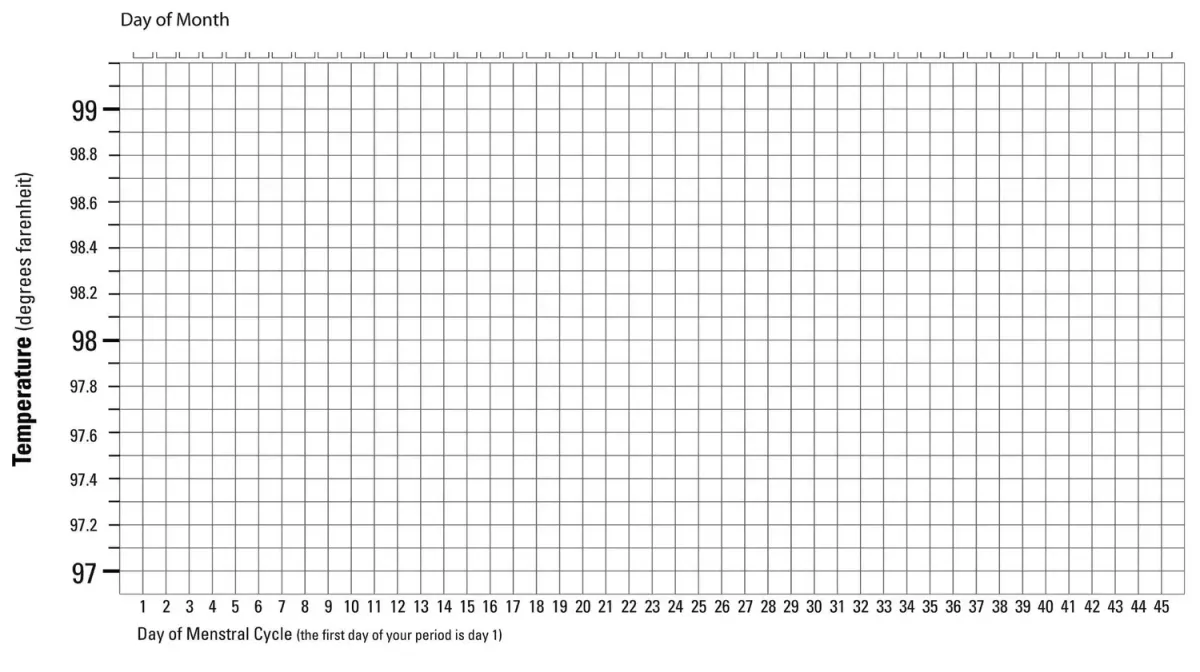
i. Cervical mucus changes and temperature changes are important signs of ovulation to monitor for.
c. Cycle evaluation
i. Monitoring your menstrual cycle can show optimal days to attempt conception and help point out possible concerns of conceiving. ii. Menstrual diary (aid to monitoring both menstrual changes and cervical mucus changes)
d. LH surge
i. Using an ovulation predictor can help with timing of intercourse or insemination. The LH kit changes color (usually blue) just prior to ovulation, usually 24 to 36 hours before (clear blue and easy is an example of an ovulation kit).
e. Blood laboratory testing
i. Can help evaluate ovarian and endocrine function and/or problems.
f. Ultrasound evaluation of ovulation
i. Can be used to monitor healthy follicle development and timing of treatments.
2.Evaluation of male effect on infertility. (Occurs in one half of couples)
a. Semen analysis. If instructed to do so please follow these instruction.
i. Obtain a sterile specimen cup from our office or the lab, and call the main TriCities Lab on Grandridge in Kennewick to schedule a time to drop off specimen. 7131 Grandridge Blvd (509) 736-0100
ii. Provide a sample by ejaculating into the cup. Don’t use a condom for collection since some of the lubricants or condoms contain spermicidal in them and may effect the results.
iii. Keep close to body temperature by keeping close to your body.
iv. Present specimen to lab within an hour of producing.
3.Evaluation of female physical means of infertility.
a. Physical exam
b. Hysterosalpingogram (HSG) A (HSG) is a special kind of x-ray. An HSG is an outpatient procedure, which takes no longer than a half hour. It involves placing an iodine-based dye through the cervix and taking x-rays to help evaluate the shape of the uterus and whether or not the fallopian tubes are open or blocked. If necessary we will give you an order to have completed at the radiology center. You will need to call and schedule the procedure and afterwards we will review to determine if any further testing/treatment should be done.
c. Laparoscopy. Due to your history and physical exam, a laparoscopy may be necessary to evaluate and treat concerns affecting your ability to become pregnant. If necessary follow the instructions under Laparoscopy in our Hospital Surgeries of our Procedures section of our web site.
d. Ultrasound.
TREATMENT OPTIONS
1. Timing and frequency of intercourse
a. Optimal timing of intercourse is the 2 days prior to ovulation and the 2 days following.
b. Frequency of intercourse increases your chances of becoming pregnant. The week of ovulation, it is optimal to have intercourse 4 times. 3 times is ok and 2 or fewer times during that week make it difficult to conceive. It is of no benefit to abstain before trying or to have a break between attempts.
2. Ovulation monitoring and induction.
a. If we cannot clearly determine if you are ovulating from home testing we may proceed with evaluation in office, by lab testing, physical exam and ultrasound.
b. Ovulation may need to be augmented with cycling and stimulation of ovulation. Medications used include
i. Clomid ii. Femara iii. Glucophage
3. Intrauterine insemination (IUI).
4. Fertility center treatments. If your care requires more intense monitoring and treatment we may refer you to a Fertility center. These include.
a. IVF/endocrine centers
b. Napro fertility centers
FERTILITY AIDS
a. Basal Body Temperature Chart
b. Ovulation calculator - http://www.marchofdimes.com/pregnancy/ovulation-calendar.aspx?gclid=CNGFrpuOmL0CFYdFMgodEw8AZg#
c. IUI
d. Clomid/Femara. These medications are oral medications that help increase the likelihood of ovulating. If you are prescribed these medications we will have you take them once a day for days 3-7 or 5-9 after the first day of your menses. After taking these medications we will monitor your ovulation and determine your optimal time of attempts of conception. Concerns with clomid use are increased risk of multiples, such as twins and triplets and increased risk of ovarian cancer with prolonged use of. These medications may give you menopausal symptoms, such as hot flushes, vaginal dryness and mood changes.
BASAL BODY TEMPERATURE CHART
IUI (Intrauterine Insemination)
Intrauterine insemination (IUI) is a common treatment for infertility. It can be used in cases where the male has a low sperm count, the cause of infertility is unknown, or when the woman is not ovulating regularly. It may be used with or without medications that help the woman ovulate.
Timing of the insemination to coincide with ovulation is critical. In order to ensure this occurs, timing of ovulation is monitored by urinary hormone tracking methods or sonogram. Urinary LH ovulation predictor kits indicate that ovulation will occur within a 24 to 36 hour window. The urinary tracking method is performed at home, generally in the morning. When the test is “positive”, call us immediately, so we can schedule your insemination, since it should be done within 24-36 hours of a positive test.
Another method used to time ovulation is sonography. The development of the follicle and impending release of the egg can be timed by serial ultrasounds performed in the office. We may give you an injection of HCG to further assist in the release of the egg.
Once we schedule your Intrauterine insemination, please follow the steps below.
INSEMINATION STEPS
Pick up sterile cup from the office 2. Collect semen into sterile cup by masturbation 3. Bring specimen to office in sterile cup. Be sure to bring in within an hour of producing and keep close to body temperature by keeping close to body. 4. Specimen is left at office. Be sure to sign the consents allowing us to use your sperm for the insemination. 5. Sperm is prepped in special media. This clears out abnormal sperm and allows the sperm to penetrate the egg. This procedure takes about an hour. 6. Woman signs consent for insemination. 7. The “washed” specimen is placed with a special catheter into the woman’s uterine cavity in order to improve the number of sperm available to reach the egg by bypassing the vagina and cervix. 8. Since IUI relies on the natural ability of sperm to fertilize an egg within the reproductive tract, the sperm function of the male must be reasonable and the fallopian tube(s) must be healthy and functional. 9. After the insemination, the woman lies for about 20 minutes and then may return to her normal function.
You should begin a prenatal vitamin with at least 800mcg of folic acid before you begin fertility treatment.
If you do not have a period following insemination and have a positive pregnancy test call to schedule your prenatal care. If you have a period following insemination, call and we will discuss your further treatment options. (509) 572-2130
How IUI Works
Contact Us Today for Comprehensive Women's Health Services

Specialized Skin Care
Aesthetics & Medical Spa
At Columbia Shores Regenerative Health, Tri-Cities, Washington Premier MedSpa our team provides the highest quality cosmetic and aesthetic injectable treatments. Serving the Tri Cities area, we are focused on helping clients achieve their healthiest skin, body & more with our advanced treatment & care.


© 2019- 2026 • ALL RIGHTS RESERVED • COLUMBIA SHORES REGENERATIVE HEALTH • TERMS & CONDITIONS • PRIVACY POLICY